Source Washi Paper Table Lamp for Home, Office, and Festival
Explore 30 listings for washi paper table lamp options suitable for home decor, office spaces, and festival settings. Compare specifications such as LED light sources, voltage, and customization availability to find the right fit for your sourcing needs; compare the available evidence and request quotations based on your requirements.
Key considerations
Products List


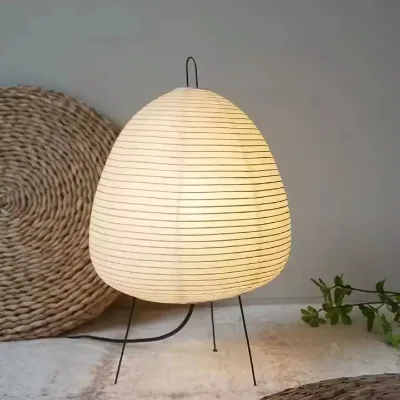


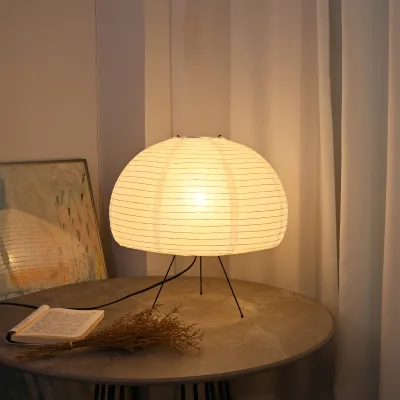


Comprehensive Sourcing Guide
Washi Paper Table Lamp Sourcing Guide
Buyers evaluating washi paper table lamps must first distinguish between general lighting fixtures and specific decorative variants like the Tiffany-style stained glass work observed in the catalog. While the core keyword suggests paper construction, the available data indicates a diverse inventory including crystal, cylinder glass, and solid structures, requiring precise definition of material expectations before engaging suppliers. This distinction is critical because the aesthetic and functional properties of paper differ significantly from glass or crystal, affecting both the visual outcome and the durability of the final product.
Procurement teams should verify whether the specific model, such as the HHD-T962-3 or HHD-D6993, aligns with the intended application of landscaping, commercial spaces, or home festivals. The observed listings show a wide range of dimensions, from D20*H32CM to D48XH25cm, which directly impacts the suitability of the lamp for specific environments like offices or dining rooms. Clarifying these physical constraints early prevents mismatches between the ordered item and the spatial requirements of the end-user, ensuring the selected fixture meets both aesthetic and functional criteria.
Product Scope and Observed Listing Signals
The market signals indicate a broad spectrum of product attributes, including voltage requirements of 220V and power sources that are AC-based, which must be matched to the destination market's electrical standards. Buyers should note that some listings specify the quantity of lights as "With Light Source" or "Without Light Source," a critical detail that affects the total cost of ownership and the immediate usability of the fixture upon delivery. This variability necessitates a clear specification sheet to avoid receiving incomplete units that require additional sourcing of bulbs or drivers.
Customization capabilities are a prominent feature, with suppliers offering customized packaging styles and specific product models like HHD-D7136 that allow for size adjustments upon contact. The presence of "Hand Made" attributes and "Figure" patterns suggests a focus on artisanal quality, yet the data also includes standardized industrial items with specific thicknesses like 3mm. Procurement strategies must balance the desire for unique, handcrafted designs with the need for consistent, mass-producible units that meet strict volume requirements for large commercial projects.
Technical Specifications to Verify
Technical due diligence must begin with the verification of voltage compatibility, as the observed 220V standard may not align with regions using 110V or 120V systems without the use of transformers. Buyers should explicitly confirm the lamp holder type and energy source, ensuring that the "Energy Saving" or LED light sources mentioned in the catalog are compatible with the intended dimming or switching mechanisms. The switch type, identified as a push-button switch in some listings, requires confirmation of its durability and ease of use in high-traffic commercial environments.
Dimensional accuracy is another vital technical parameter, with observed standards ranging from D23XH40CM to D31XH55cm, often requiring direct supplier contact for alternative sizes. The structural integrity of the lamp, described as "Solid" or "Flat" with "Cylinder Glass" techniques, must be validated against shipping and installation requirements to prevent damage during transit. Verifying the exact packing method, such as "Foam and Paper Carton" or "1 PC Per Polybag," ensures that the protective measures are sufficient to maintain the delicate nature of the materials used in the construction.
Compliance and Safety Documentation
Safety compliance is a non-negotiable aspect of sourcing, with observed certifications including CCC, RoHS, CE, and VDE, which indicate adherence to various regional safety and environmental standards. Buyers must request current test reports for each specific model to confirm that the electrical components and materials meet the regulatory requirements of the target market, as certifications can vary by production batch and specific product configuration. The presence of multiple certifications suggests a robust quality system, but verification of the specific certificate numbers and their validity dates is essential for legal importation.
Environmental and material safety must also be assessed, particularly regarding the "Crystal" and "Glass" materials used in conjunction with the paper or other components. The "RoHS" certification implies restrictions on hazardous substances, which is crucial for products intended for home or commercial use where long-term exposure is a concern. Procurement teams should ensure that the supplier provides a Declaration of Conformity that explicitly lists the tested models and the specific standards met, avoiding assumptions that all listed products share the same compliance status.
Cost Drivers and Commercial Terms
Cost structures for these lighting fixtures are influenced by the level of customization, the complexity of the hand-made techniques, and the specific materials like crystal or stained glass used. The observed MOQ range of 1 to 500 units allows for flexibility, but buyers should negotiate pricing tiers that reflect the volume commitment, as higher volumes often unlock better rates on customized packaging and specific model configurations. Understanding the cost breakdown between the base unit, the light source, and the packaging is essential for accurate budgeting and margin analysis.
Commercial terms regarding lead times and shipping logistics must be clarified, especially given the fragile nature of the glass and crystal components which require specialized packing like "Foam and Paper Carton." The "Super Good" quality rating observed in the listings should be backed by clear terms for handling defects or damaged goods during transit, ensuring that the buyer is not left with unusable inventory. Buyers should also confirm whether the supplier offers welcome customized packaging styles as a standard service or as a premium add-on, as this can significantly impact the final landed cost.
Supplier Qualification and Quality Control
Supplier qualification should prioritize those with audited facilities, such as the BSCI Audited factory noted in the data, which indicates a commitment to social compliance and ethical manufacturing practices. This audit status provides a baseline assurance of the working conditions and management systems in place, which often correlates with higher consistency in product quality and delivery reliability. Buyers should request recent audit reports to verify the scope of the certification and ensure it covers the specific production lines responsible for the washi paper or glass lamps.
Quality control protocols must be established to maintain the "Super Good" standard observed in the listings, focusing on the inspection of hand-made elements and the structural integrity of the solid frames. Given the variety of patterns and techniques, such as "Figure" patterns or "Cylinder Glass," a pre-shipment inspection plan should be implemented to catch any deviations in craftsmanship or material thickness. Establishing a clear acceptance criteria document that defines acceptable tolerances for dimensions and finish will help prevent disputes and ensure that the delivered goods meet the buyer's expectations.
Long-Term Procurement Checks
Long-term procurement success relies on establishing a robust relationship with the supplier to ensure consistent availability of specific models like the HHD-T913 or HHD-D14B over time. Buyers should monitor the supplier's ability to maintain the "Customized" attributes and specific dimensions required for ongoing projects, as changes in production capacity or material sourcing can impact the ability to fulfill repeat orders. Regular communication regarding inventory levels and production schedules helps mitigate the risk of stockouts and ensures that the supply chain remains resilient against market fluctuations.
Continuous performance monitoring is essential to verify that the supplier maintains the required certifications and quality standards throughout the duration of the partnership. Buyers should conduct periodic reviews of the supplier's compliance documentation and quality control records to ensure that the "RoHS" and "CE" certifications remain valid and that the product quality has not degraded. This proactive approach allows for early identification of potential issues and facilitates timely corrective actions, securing a reliable supply of high-quality lighting fixtures for future business needs.
FAQs
What certifications are available for these lamps?
The lamps feature CCC, RoHS, CE, and VDE certifications. These standards ensure electrical safety and environmental compliance for international markets. Buyers can verify specific documentation based on the target region. This supports smoother customs clearance and regulatory adherence for commercial and home installations.
Can I customize the packaging for bulk orders?
Yes, customized packaging styles are available for bulk orders. The standard packing uses cartons or polybags with master carton quantities. Suppliers welcome specific branding or protective foam requirements. This flexibility helps protect goods during transit and aligns with retail presentation needs for diverse buyers.
What is the typical voltage for these products?
The typical voltage for these lamps is 220V AC. This standard suits regions with compatible electrical infrastructure. Buyers should confirm local voltage requirements before placement. The power source is clearly defined as AC, ensuring compatibility with standard household outlets in many global markets.
Which models offer specific dimensional standards?
Models like HHD-T962-3 and HHD-T7056 offer specific dimensional standards. Sizes range from D20xH32cm to D31xH55cm. Custom sizes are available upon request. These dimensions cater to various furniture and lighting applications, allowing buyers to select precise fits for their design projects.
Are these lamps suitable for office use?
Yes, these lamps are suitable for office use. Specific models are designated for office environments. They feature modern styles and LED light sources. The durable construction and professional aesthetics make them ideal for commercial spaces, providing functional illumination while maintaining a sleek visual appeal.
What materials are used in the construction?
Materials include crystal, glass, and metal frames. Some models feature cylinder glass techniques or stained glass work. The frames are often white, and structures are solid. These materials ensure durability and aesthetic quality, supporting both decorative and functional lighting needs for various interior settings.